
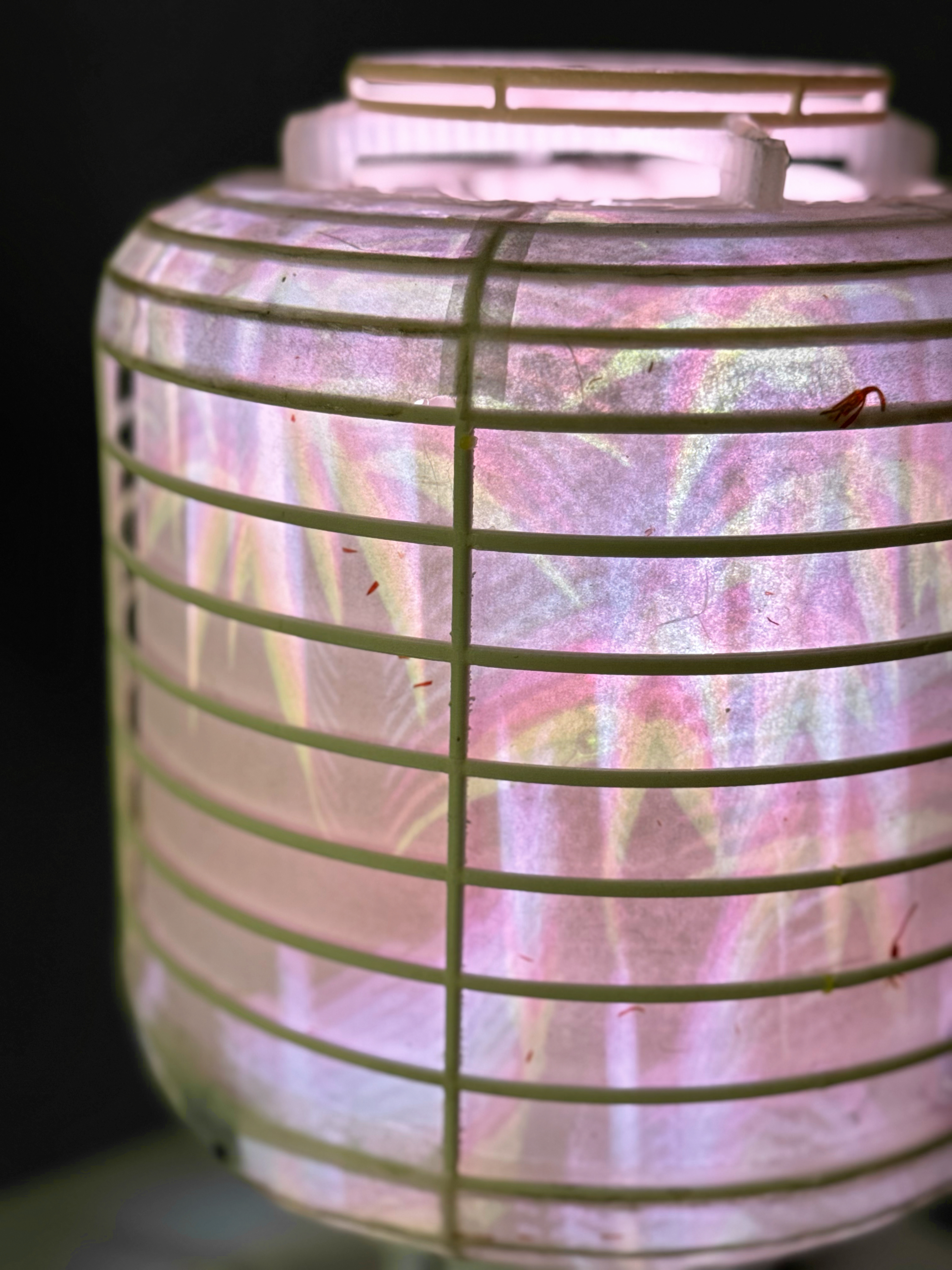
ShadowPlay is an interactive installation designed to support children with autism—particularly those experiencing hyposensitivity, a condition where sensory input feels muted or insufficient. The installation blends physical movement, light–shadow play, gesture detection, and auditory cues to increase sensory awareness and engagement.
Using distance sensors, gesture tracking, and the AuSENS method (multi-sensory autism engagement framework), ShadowPlay encourages children to explore their surroundings, respond to stimuli, and develop stronger connections between their actions and environmental feedback.
Children with hyposensitivity often experience:
- Reduced response to visual, auditory, or tactile input
- Low engagement with environmental stimuli
- Challenges detecting motion or spatial changes
- Difficulty maintaining attention
ShadowPlay addresses these needs through designed sensory stimulation—where shadows, lights, and movement become immediate, graspable feedback loops.
The installation creates a safe, playful environment where children explore:
- The connection between their body movements and visual responses
- How shadows grow, shrink, or distort based on proximity
- How gestures and distance alter the projected imagery
This empowers children to understand cause-and-effect, improving awareness of their own movement and space.
ShadowPlay integrates:
- Distance sensors to detect position
- Gesture sensors to recognize body movements
- Projected light & shadow visuals that respond in real time
- Multi-sensory output (visual + auditory)
These inputs form a sensory bridge—subtle movements produce amplified, understandable feedback, helping hyposensitive children better perceive environmental cues.
ShadowPlay promotes:
- Improved sensory registration (seeing reactions to their shadow)
- Increased engagement & attention span
- Exploration of self–environment relationships
- Emotional enjoyment through playful discovery
- Enhanced awareness of everyday stimuli
By strengthening how children interpret and respond to sensory information, the installation supports overall wellbeing and engagement.
How can multisensory interaction help autistic children with hyposensitivity better perceive and respond to their surroundings?